Continuing Education
Your certification as a SCUBA diver should be considered a license to learn. Upon certification, your experience will be limited to the sites and conditions available to you during your open water dives, and all of your dives will have been completed under the direct supervision of an instructor.
To retain and perfect your new skills, it’s essential that you remain active in diving after completing your certification. This includes diving independently with a buddy you trust, joining local dive clubs, and participating in travel opportunities offered by your local dive shop.
To gain new skills and knowledge, learn about specialty areas of diving, and become acquainted with new dive locations, you can enroll in several continuing education courses offered by your instructor. In this chapter, you’ll learn about the various courses available, the skills and knowledge you’ll gain by completing these courses, and the requirements you must meet prior to enrolling in some of these courses.
Advanced SCUBA Diver
The Advanced SCUBA Diver course introduces divers to a variety of sites, conditions, and activities, and is an excellent way for new divers to make the transition to independent diving. In addition to learning new skills and activities, you’ll also meet new dive buddies who have skills and experience similar to your own. For these reasons, every diver should consider enrolling in the Advanced SCUBA Diver course immediately after completing their initial certification.
Most advanced courses consist of at least 6 open water SCUBA dives, with 3 of those dives teaching you navigation skills, deep diving, and night diving. The remaining dives focus on additional activities, and may include boat or shore diving, photography, diving in surf or currents, search and recovery, light salvage, or various other activities.
Upon completion of this course, you’ll receive a new certification card that identifies you as an Advanced SCUBA Diver.
Nitrox
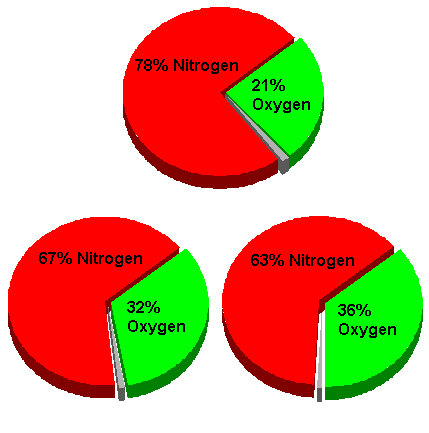
Nitrox is a special breathing gas mixture that’s available as an alternative to air. Nitrox is simply normal air that is blended with additional oxygen. This creates a breathing gas that contains less nitrogen and more oxygen than normal air.
Recreational Nitrox can be blended to contain as much as 40% oxygen. The most popular mixtures are EAN 32 and EAN 36. “EAN” stands for “Enriched Air Nitrox,” and the number that follows indicates the mixture’s oxygen percentage.
Benefits of Nitrox
Nitrox contains less nitrogen than standard air. This means that as you dive, your body ingasses less nitrogen than it would with standard air. As a result, you can spend more time at a specific depth without developing decompression sickness. The increase in bottom time depends on the oxygen percentage of the nitrox mixture.
Another benefit is reduced surface interval times. This is extremely beneficial when visiting deeper dive sites from a boat. The boat’s schedule might not allow for extended surface intervals, which means divers using air may have to cut their second dive short in order to prevent exceeding their no-decompression limits. But with Nitrox, the reduced nitrogen ingassing reduces the required surface interval time between dives, which allows for longer repetitive dives.
Nitrox Requirements
Nitrox presents new hazards to divers, with the increase of oxygen being the main concern. The increase in oxygen results in shallower maximum depths, special equipment requirements, and additional dive planning.
To use Nitrox, you must complete a Nitrox specialty course. This course will teach you how to plan your dives, select appropriate equipment, and verify the oxygen percentage in your mixture. Most of this course involves classroom lessons, and dives may or may not be required for certification.
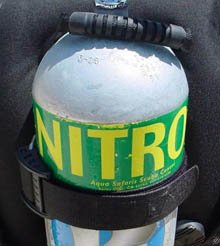
The most significant equipment requirement for Nitrox is a specially cleaned cylinder labeled for use with Nitrox. Another item that’s nice to have, but not required, is a dive computer that’s Nitrox compatible.
Rescue SCUBA Diver
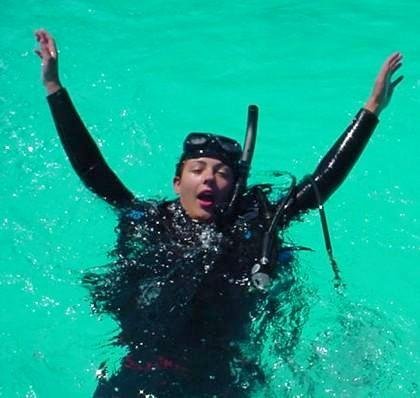
The Rescue Diver course is one of the most important courses a diver ever takes. It teaches divers how to perform rescues in the rare event of an accident, and more importantly, how to prevent those accidents from occurring in the first place. This increases both your own safety and the safety of those you dive with.
This course consists of a combination of classroom instruction, pool sessions, and open water practice. Subjects covered in the classroom include diving physiology, the psychology of stress, prevention, accident management, emergency oxygen administration, and first aid. While in the pool, you’ll learn how to assist tired or distressed divers, rescue unconscious divers, and transport victims to the boat or shore. Certification in CPR and first aid is required for completion of this course, and is available through your local dive shop or several other sources.
The Rescue Diver course is recommended for all divers, regardless of experience or certification level. Upon completion, you’ll receive a new certification card that identifies you as a rescue diver.
Master SCUBA Diver Class
The Master SCUBA Diver course is the most advanced certification course available to recreational scuba divers. Through a combination of classroom sessions, pool sessions, and open water dives, you’ll increase your knowledge about diving, learn new skills, and experience new diving activities.
During the classroom sessions, you’ll increase your knowledge about equipment, diving activities, physics, physiology, decompression, and the environment. In the pool, you’ll review basic SCUBA skills and practice new skills prior to your open water dives.
During your open water dives, you’ll review and increase your skills in the areas of diver rescue, navigation, night diving, search and recovery, and deep diving. The remaining dives will expose you to additional activities selected by yourself or the instructor.
After completing this course, you’ll receive a new certification card that identifies you as a Master SCUBA Diver.
First Aid & CPR
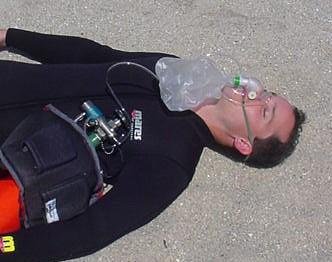
One of the most important classes everyone should take is a first aid and CPR course. This course is available through your local dive shop, the Red Cross, local fire departments, community colleges, and other public institutions.
Certification in first aid and CPR is recommended for all divers and well as non-divers, and required for divers who wish to earn certification as a rescue diver or dive leader.
Refresher Courses
Refresher courses are available for divers who have been inactive for a period of time and wish to review and practice their skills before venturing back out into the open water. It’s recommended that you complete a refresher course if you’ve been inactive for a period of one year or more.
A refresher course begins with an evaluation of your academic knowledge and water skills. Based on the results of this evaluation, your instructor will design a refresher course to meet your specific needs. This always includes a skill review in the pool, and may also include classroom lessons depending on your score on the written exam.
After completing a refresher course, your instructor will document its completion in your logbook. This informs dive operators and instructors that you have tuned your skills following a period of inactivity.
Local Diving Orientation
As stated earlier, your certification prepares you to dive in environments and conditions similar to those in which you were trained. But when you travel, you may encounter environments and conditions for which your training did not prepare you for. In these situations, you can join a local orientation dive to learn the skills and knowledge required to safely dive at a specific location.
Orientation dives are conducted by local instructors or divemasters. They begin with a detailed site briefing that identifies the site’s characteristics, hazards, and points of interest. This is followed by a supervised dive, during which the leader will point out specific hazards and points of interest. After the dive, you’ll have a debriefing where you can review what you learned and ask specific questions based on your experience.
Specialty Diving Classes
Divers participate in many specialty activities that enhance their enjoyment of the sport, and specialty courses are available to prepare you for just about any environment or activity. Examples include:
- Photography and Video
- Hunting and collecting
- Search and recovery
- Night diving
- Deep diving
- Wreck diving (external survey)
- Underwater environmentalist
Certification in these activities is not required for you to participate in them, but formal training will increase your success and enjoyment. A great way to learn many of these activities is to enroll in an advanced SCUBA diver course, which teaches you deep diving, night diving, and several other specialties.
Technical Diving Specialties
Some specialties present special hazards or safety considerations, and certification is required prior to participating in them. These include:
- Cave and cavern diving
- Wreck penetration
- Ice diving
- Technical diving
- Rebreathers
These specialty courses cover the equipment, safety precautions, and special skills required to safely participate in these activities. This training is essential for your safety, which is why dive operators and retailers will not sell equipment or trips related to these activities without proof of specialty training.
Leadership Diving Classes
Most people dream of earning money while doing something they love, and dive leaders get to live that dream. If you love diving and wish to help others enjoy the sport, you should consider the path to dive leadership. Leadership positions include:
- Skin diving instructor
- Assistant instructor
- Divemaster
- Instructor
Before enrolling in these courses, you must complete the Rescue Diver, Master SCUBA Diver, and First Aid-CPR courses. If the leadership path interests you, discuss your desire with your instructor and local dive shop so they can provide you with the courses and experience required to begin this path.